UNREAL ENGINE ENVIRONMENTS, BUILT FOR THE CAMERA.
Photoreal and stylized 3D environments in Unreal Engine for brand film, car launches and virtual production.
From a single backdrop for an LED volume to a full digital twin of a real location, built at the level of detail the shot needs and no heavier.
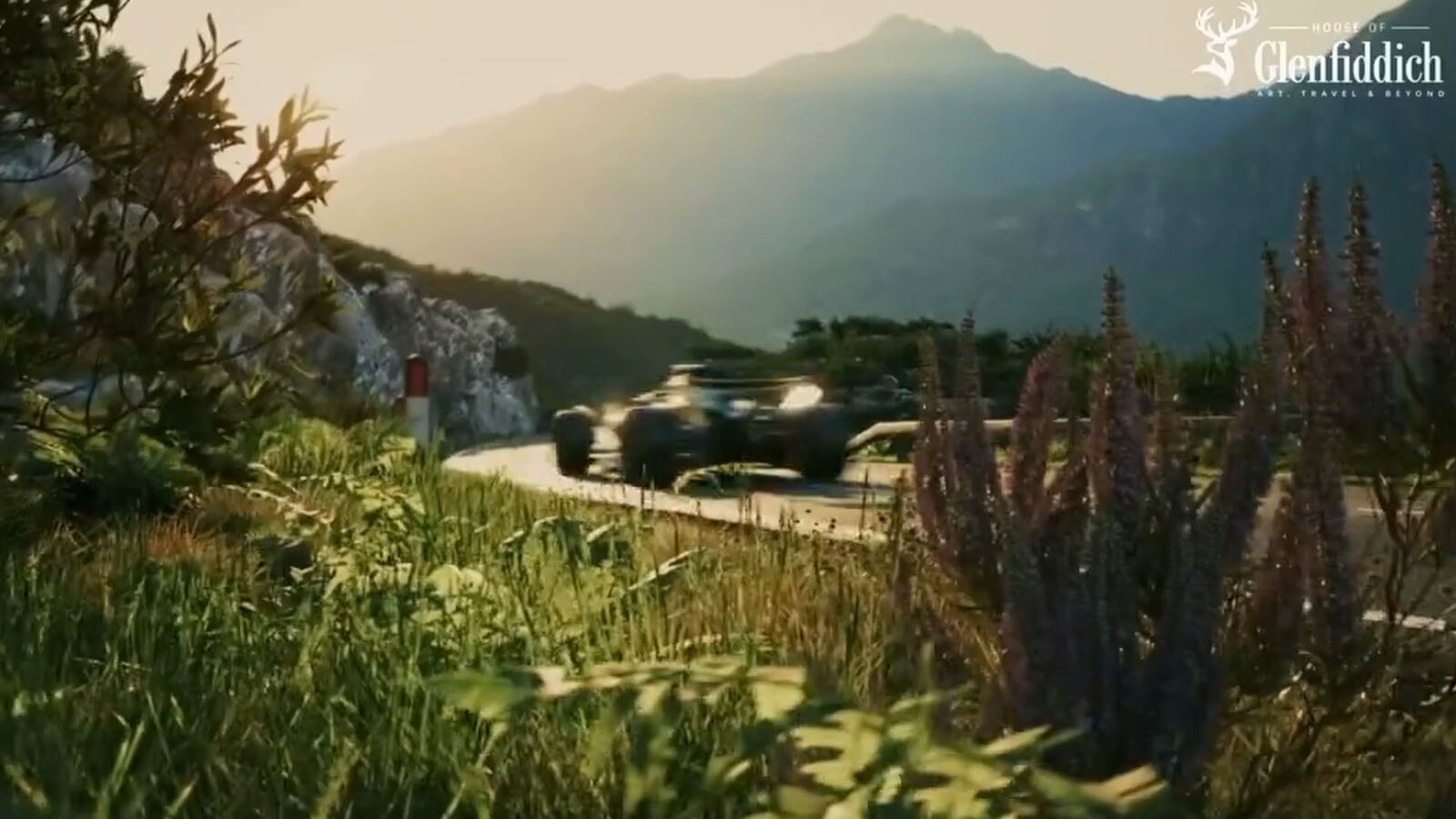
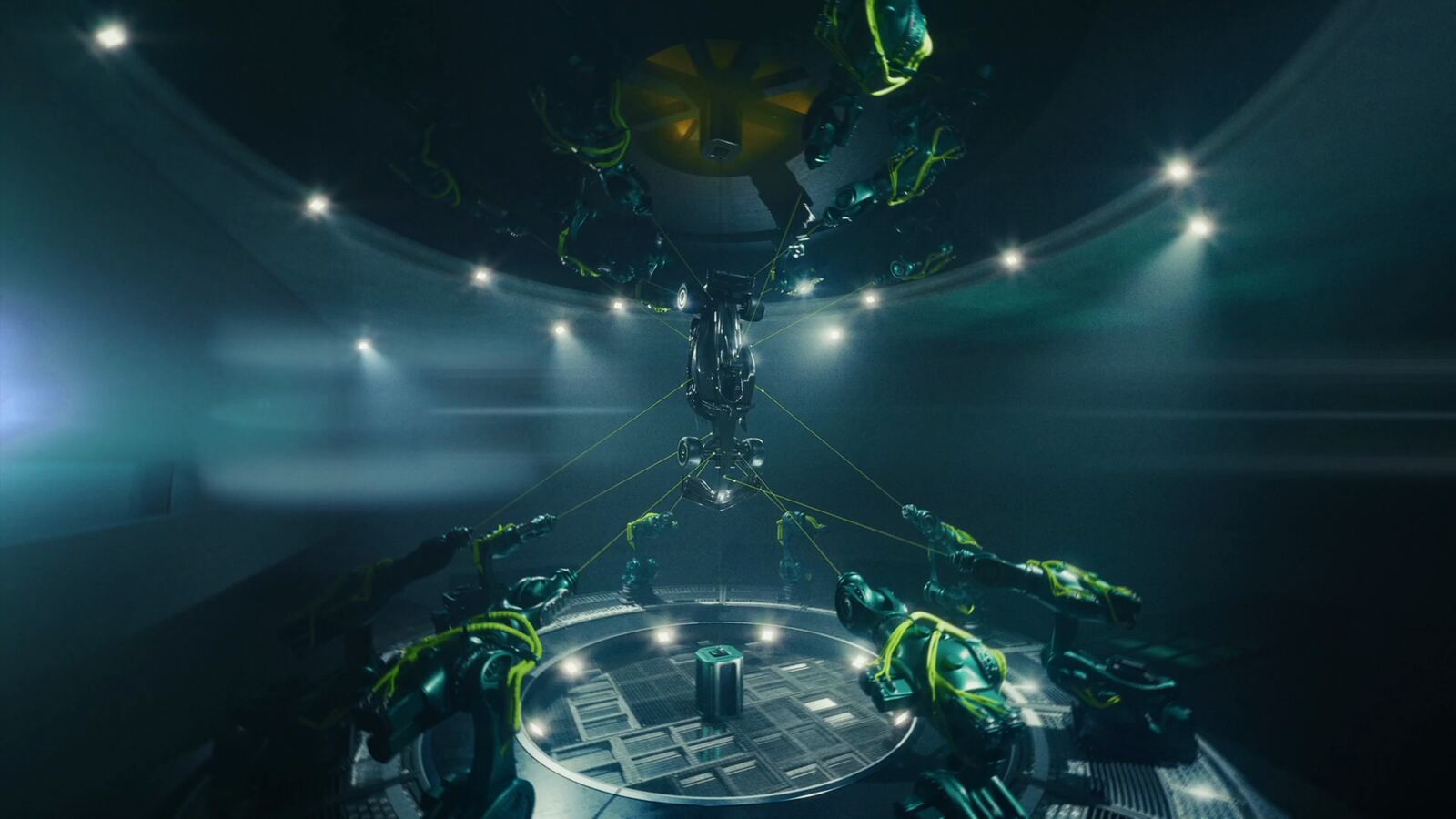
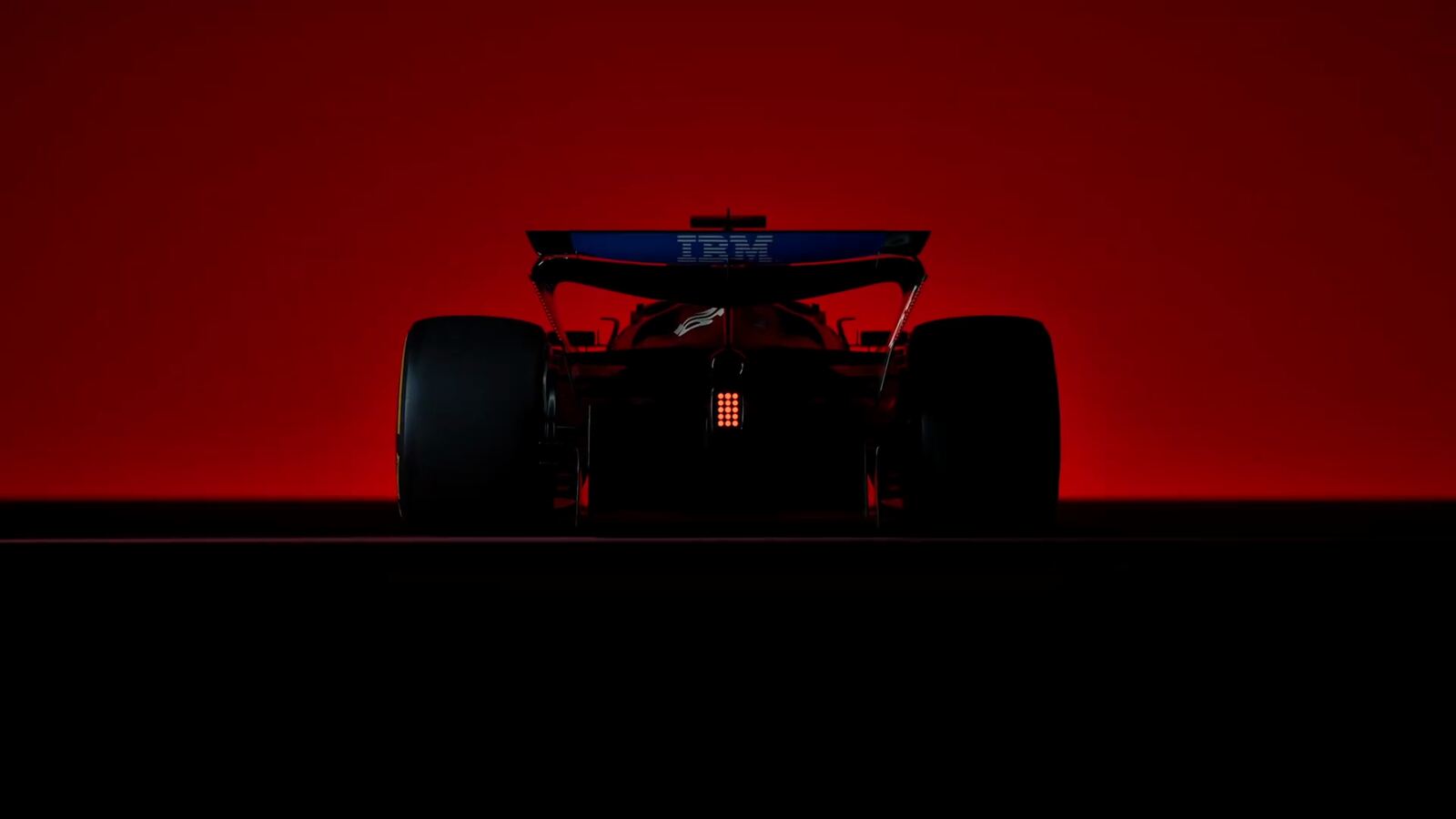
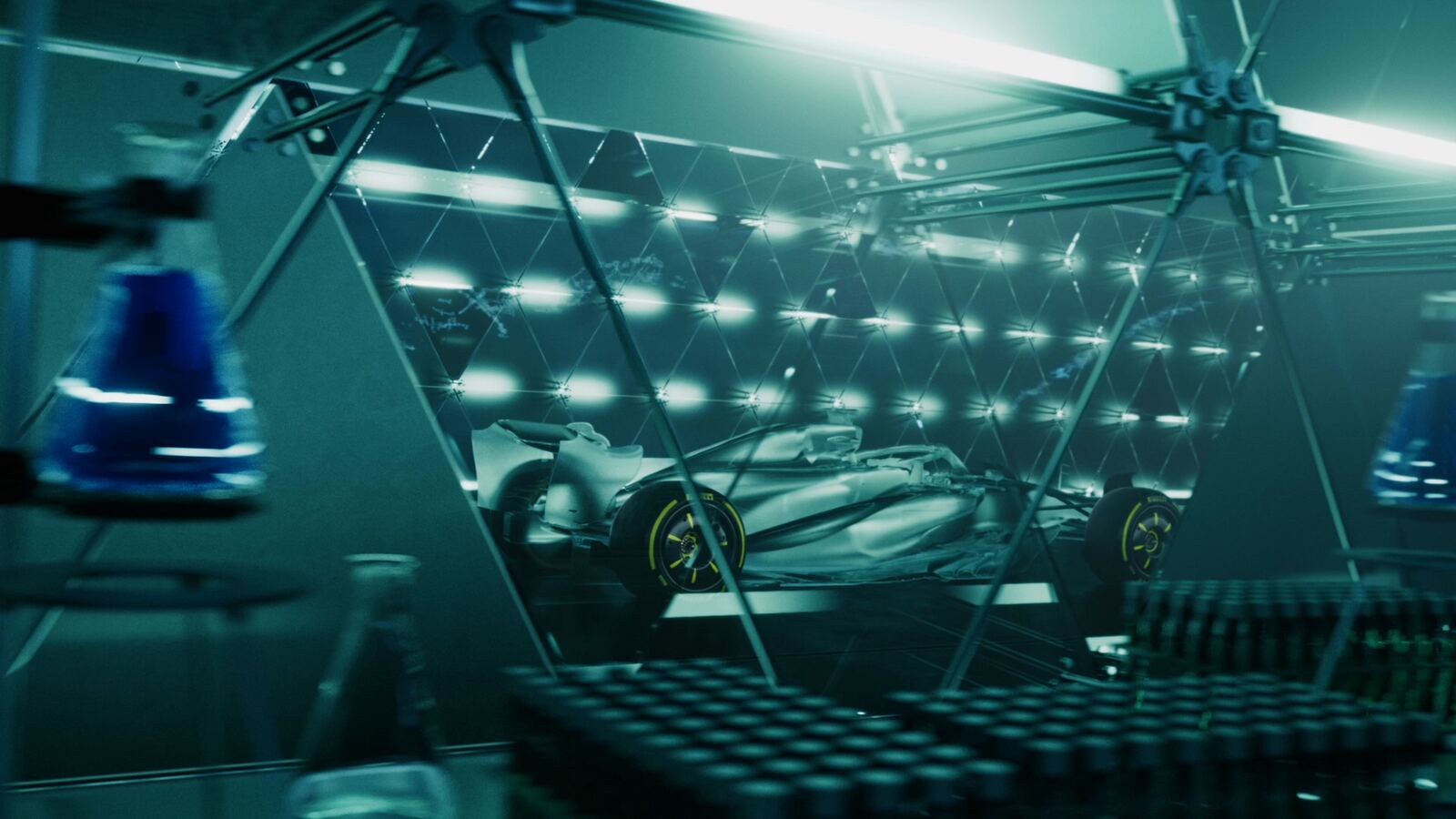
GLENFIDDICH GLEN COE. ASTON MARTIN F1. IBM × FERRARI. ARAMCO F1 LIVERY.
ENVIRONMENTAL CG AND DIGITAL TWINS · WITH FUZE STUDIOS AND POST PROCESSED
WORLDS BUILT FOR THE CAMERA.
3D Environment Design in Unreal Engine
Environments for brand film and commercials
Locations that do not exist, or cannot be closed down, built in Unreal Engine so the camera can go anywhere and the light can be chosen like a time of day on a real shoot.
Digital twins of real places
A real landscape, street or venue rebuilt from satellite data, scans and reference, faithful enough to read as the place under the film's grade.
Virtual production backgrounds for LED volumes
Stage-ready Unreal scenes for in-camera VFX, optimized to hold frame rate on the wall, with lighting and color matched to the physical set.
Backdrops and background plates
Lighter environments built for a fixed angle: LED wall content, green-screen plates and set extensions that only need to hold from where the camera stands.
Automotive environments
Studio sets, test facilities and roads built around a car, so paint, glass and chrome read through the world they reflect.
Effects and transformation, in Houdini
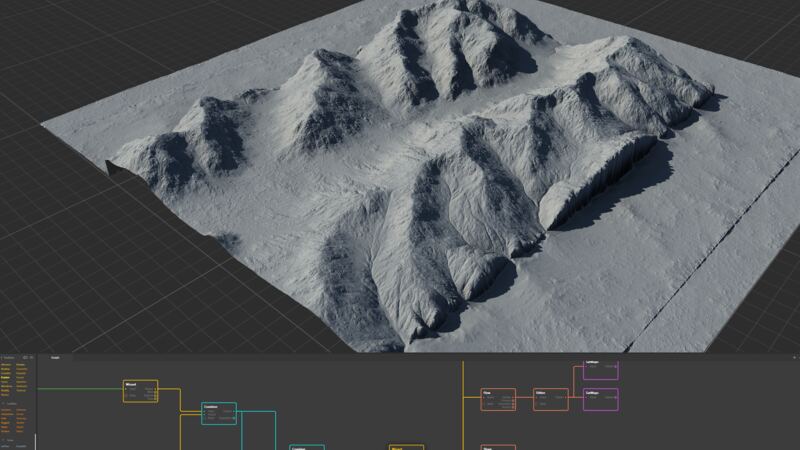
Terrain, destruction, particles and environments that change on camera, simulated in Houdini and brought back into the Unreal scene.
The question we ask first is where the camera goes. A backdrop seen from one angle and a world the camera flies through are different builds, with different costs.
We build to the shot list, so the level of detail sits where the lens will find it and the scene stays light enough to iterate in real time.
Four Levels of Detail
BACKDROP
- WHAT IT IS
- A background for one or a few fixed angles: LED wall content, a plate, a skyline
- WHERE THE CAMERA GOES
- In front of it
- BUILT FROM
- Matte painting, 2.5D cards, kitbash, light geometry
- TIME
- One to two weeks
SET
- WHAT IT IS
- A space the camera moves inside within known limits
- WHERE THE CAMERA GOES
- Through a planned path
- BUILT FROM
- Modeled hero area, instanced dressing, LODs
- TIME
- Two to four weeks
HERO ENVIRONMENT
- WHAT IT IS
- A full world the camera can explore freely, close-ups included
- WHERE THE CAMERA GOES
- Anywhere
- BUILT FROM
- Full modeling, lookdev, foliage, effects
- TIME
- Four to eight weeks
DIGITAL TWIN
- WHAT IT IS
- A real location rebuilt from data, faithful to the original
- WHERE THE CAMERA GOES
- Anywhere, matched to the real place
- BUILT FROM
- Satellite data, scans, photo reference, plus everything in a hero build
- TIME
- Six to twelve weeks
Most projects mix levels: a hero area where the action happens, a set around it and a backdrop on the horizon.
Send the shot list or the storyboard and we come back with which level each part needs, and what that means for the schedule.
Virtual Production Environments
An environment for an LED volume is judged on stage, not in a render. These are the checks a stage scene has to pass before it leaves the studio.
Holds frame rate on the wall: profiled on hardware matching the render nodes, with headroom above the stage target
Sized to the lens: assets and textures built to their screen coverage, hand-made LODs, few materials, instancing where it repeats
Light that the stage can run: baked or precomputed lighting, dynamic lights only where the DP needs to move them
Clean stage volume: no CG foliage or particles where the physical set and the actors stand
Physical and digital set agreed together: floor, horizon and set pieces matched so the seam disappears on camera
Color checked from the camera's angle, not only in the editor
Delivered as an organized Unreal project, ready for the stage team's nDisplay setup, with time-of-day and lighting variants exposed for the floor
Selected Environment Work
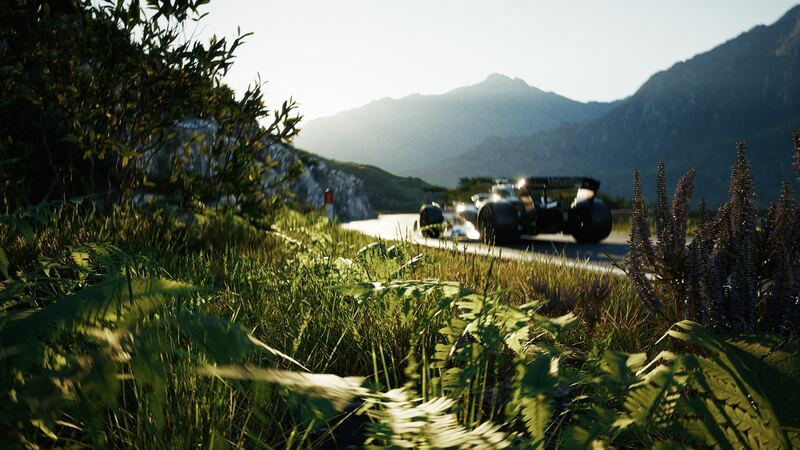
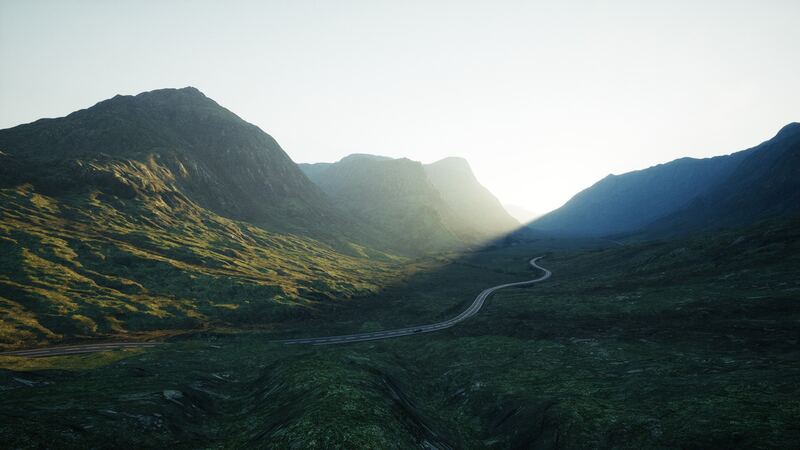
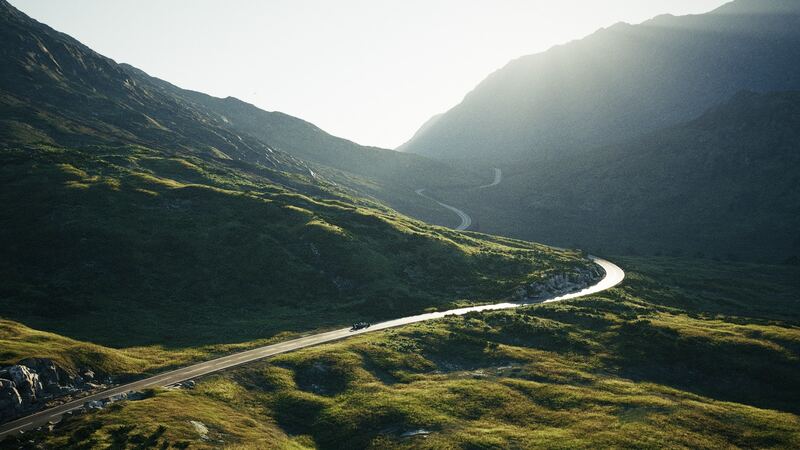
The Glen Coe digital twin, built from satellite data in Unreal Engine and Houdini for a Glenfiddich and Aston Martin F1 film with Fuze Studios, is the reference for the top of the range.
The AMR25 test facility and the IBM × Ferrari racetrack show built worlds made for a car, on fixed launch dates.
How We Work
SHOT LIST AND REFERENCE
BLOCKOUT
BUILD AND LOOKDEV
LIGHT AND OPTIMIZE
DELIVERY
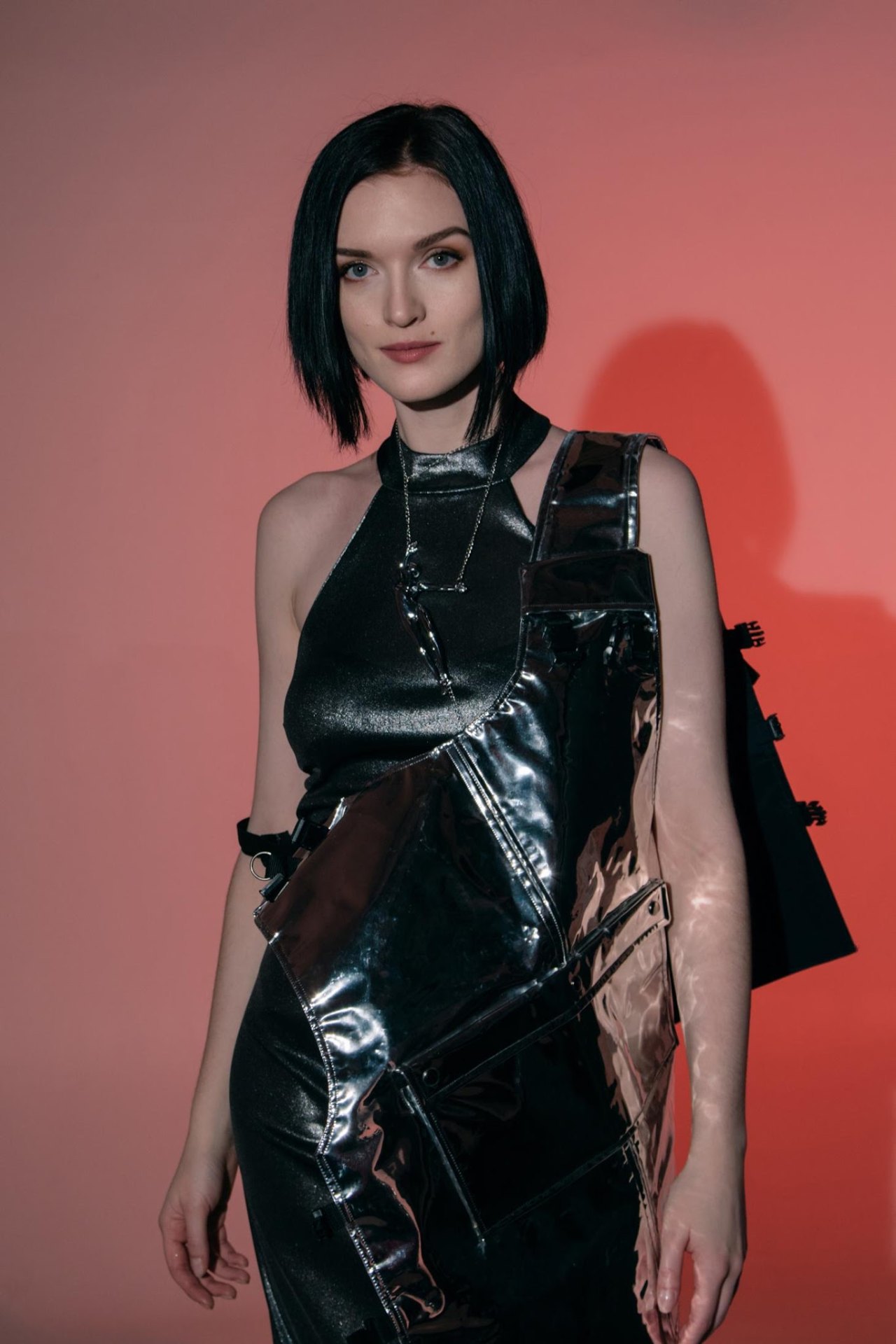
SNEZHANA PADERINA
/ ART DIRECTOR
I'm an art director and cinematics director. I trained at Parsons, and I've worked across fashion, fashion technology, and CG for over a decade. I run SNEZHANA.NYC, a CG studio working in cinematics, automotive, digital fashion, motion capture, and Unreal Engine.
A lot of CG comes out of games or VFX. My lineage is film and fashion. I think about image-making, character, styling, mood, and silhouette the way commercial and editorial directors do, and I bring that to real-time work.
The studio is small and senior by design. When you work with us, you work directly with the person directing the work. That's the point.
I am an Unreal Authorized Instructor, an authorization from Epic Games recognizing my Unreal Engine instructional capabilities.
I teach real-time production workflows and mentor artists transitioning to Unreal.
How We Engage
NDA and IP handled before any work begins
A backdrop in one to two weeks, a hero environment in four to eight
Delivered as renders, plates or an Unreal project your team can open
Direct access to the director, no account layer
Proposal within 48 hours of a shot list or storyboard
Comfortable across US and EU time zones
Unreal Engine Environment Questions
START A PROJECT.
NEED A WORLD
FOR A FILM, A STAGE OR A LAUNCH?
Send the shot list, the storyboard or the location, and the date.
We reply within 48 hours with whether it is a fit, which level of detail it needs, and what it would take.